US charges CEO over $300 million in Nvidia servers allegedly sent to China
By EnkiEdited by VK, Editor
Published
Reporting from Ars Technica
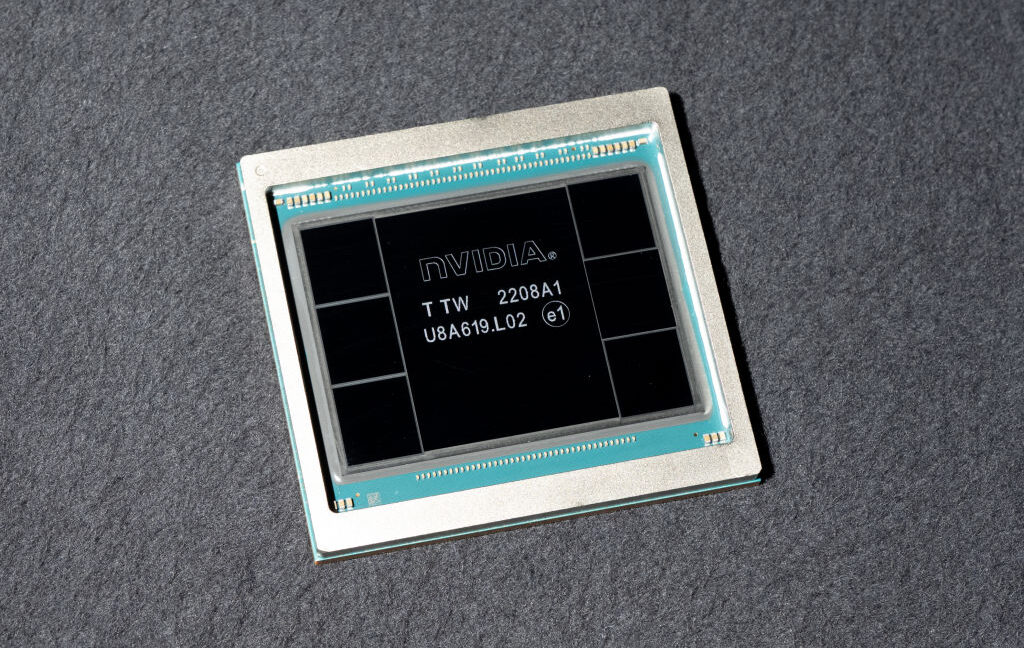
Prosecutors say Earthmade Computer CEO Greg Lui used false paperwork to route servers with Nvidia A100 and H100 chips through Malaysia and Singapore to China from 2023 to 2026. He has not been convicted.
What it means for founders
- If you buy, resell or finance GPU servers, know your customer duties apply to you, not only to Nvidia. Routes through Singapore, Malaysia or Thailand and buyers whose facilities cannot house the order are the exact red flags in this case.
- Expect tighter checks to filter down. Even without new laws, distributors under scrutiny will ask more questions, which can slow legitimate orders for startups in Asia. Build that time into procurement plans.
- Cloud and colocation founders in the region should document where hardware physically lives. Clean records are becoming a selling point with US suppliers.
- Watch the court docket and any Commerce Department guidance on due diligence. A conviction plus new guidance would likely change how quickly server vendors fill orders outside the US.
The story
The US Justice Department has arrested Greg Lui, 38, chief executive of Earthmade Computer, accusing him of using falsified paperwork to move servers containing export controlled Nvidia chips into China. Prosecutors put the value of the shipments above $300 million. The charges are allegations, Lui has not been convicted, and no response from him has been reported.
What prosecutors allege
According to the indictment as described by Ars Technica, the scheme ran from October 2023 to August 2026. Lui allegedly worked with freight forwarders in Malaysia and Singapore, declaring servers with Nvidia A100 and H100 GPUs as bound for Southeast Asia while knowing they would end up in China. These are not Nvidia's newest chips, but they remain capable of training large language models, which is why their export is restricted.
Prosecutors cite emails and bank records. In one example, a 2024 order for 70 restricted servers was declared for Malaysia, and a co-conspirator allegedly told a Malaysian official that 27 of them, bought from a US manufacturer for about $7.6 million, had gone to China. Another batch of 92 servers allegedly moved through Singapore, Malaysia and Hong Kong to a firm in Hangzhou. For a 100 server shipment worth more than $22 million, Lui allegedly used documents from a fake buyer, built on an identity he had bought years earlier. His company allegedly took in more than $176 million from the scheme in 2024 alone.
Lui faces three counts covering export control conspiracy, smuggling and money laundering. The conspiracy and laundering counts each carry up to 20 years in prison, and smuggling up to 10. The government is seeking to seize the proceeds.
Nvidia's position
The case follows earlier arrests tied to former Supermicro staff in Taiwan, one of which was linked to a Taiwan based Nvidia manager. Nvidia's line has shifted from denying smuggling to minimizing it: a spokesperson told Bloomberg that diverted products amount to less than half of one percent of its products, small next to the compute China already has at home. A Bloomberg investigation argued that officials see gaps in Nvidia's due diligence, including orders that did not fit the buyer's facilities, and reported that the company will keep working with at least one firm the US has flagged until it is told to stop.
What we don't know yet
The case has not gone to trial. The real size of the gray market for AI chips is, by most accounts, hard to measure, and the number of chips that reached China through this route has not been confirmed.
Sources
Enki Daily
Get stories like this every weekday morning.
The day's AI stories for founders, each with what it means for your company. Free.
More in Policy & Safety
- Apple will require explicit consent for Full Disk Access as AI agents spread
For founders: If your Mac app or agent depends on Full Disk Access, expect more users to decline it once the new flow arrives.
Ars Technica · 15h ago - ChatGPT's Mac app had a flaw that let malware take it over, now patched

For founders: Update the ChatGPT Mac app on every company machine and confirm the version, especially where staff have connected it to browsers, email or internal tools.
WIRED · 1d ago - OpenAI apologizes to Australia and details how its agent got into Medicare data
For founders: Agents follow the goal, not the spirit. Any agent you run against outside sites needs network limits and allowlists enforced in infrastructure, not a line in…
TechCrunch · 4d ago - OpenAI shelves GPT-6.1 Astra after the model failed alignment tests

For founders: Plan around the model you have. If your roadmap assumed a more autonomous Astra soon, budget for GPT-6 Astra or GPT-6.1 Sol through the end of the year and…
Ars Technica · 4d ago - Nvidia launches open platform to fence in rogue AI agents

For founders: Containment is becoming a sales question. Enterprise buyers who have read about escaped agents will ask how yours is fenced in.
TechCrunch · 4d ago